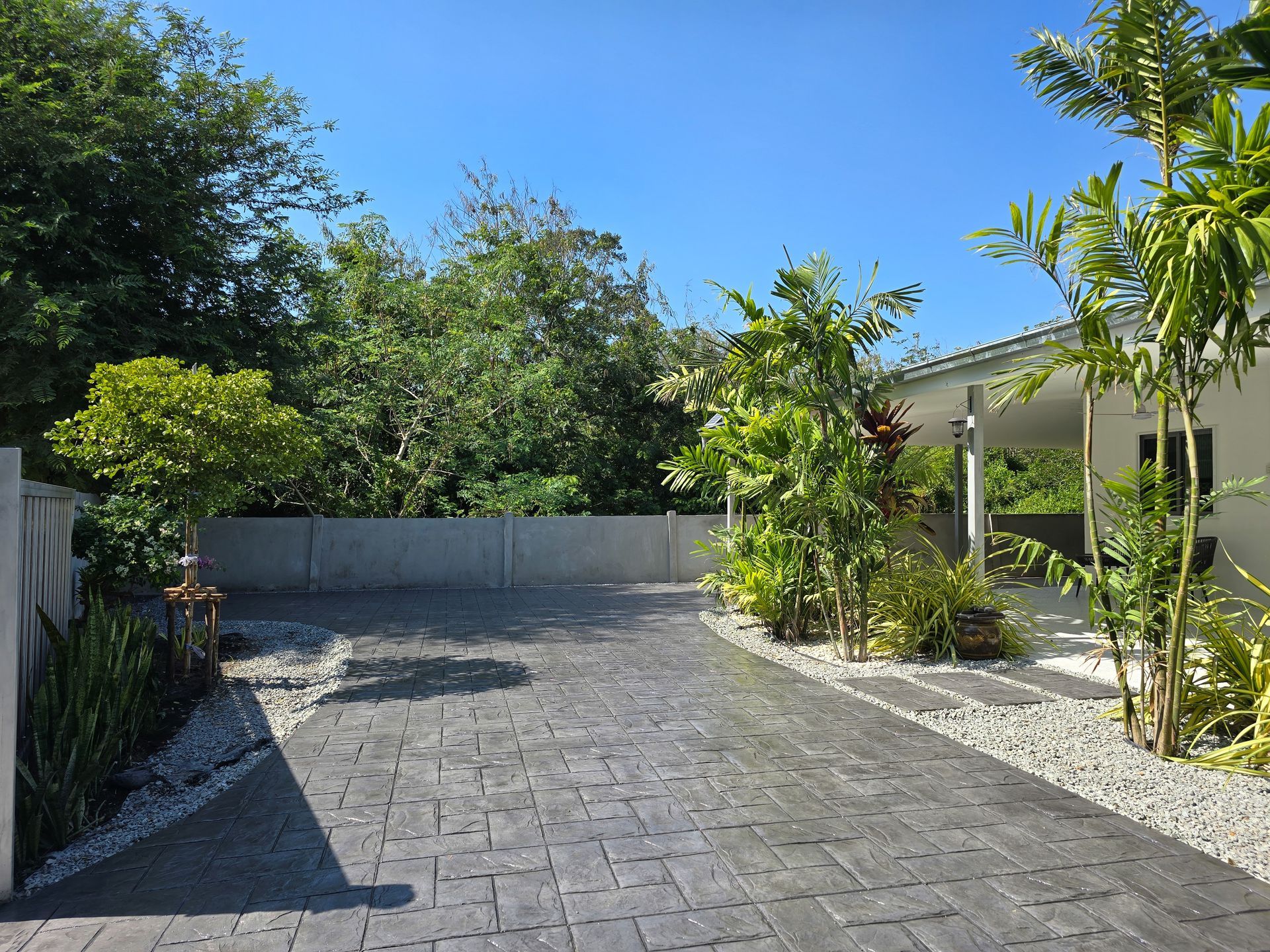
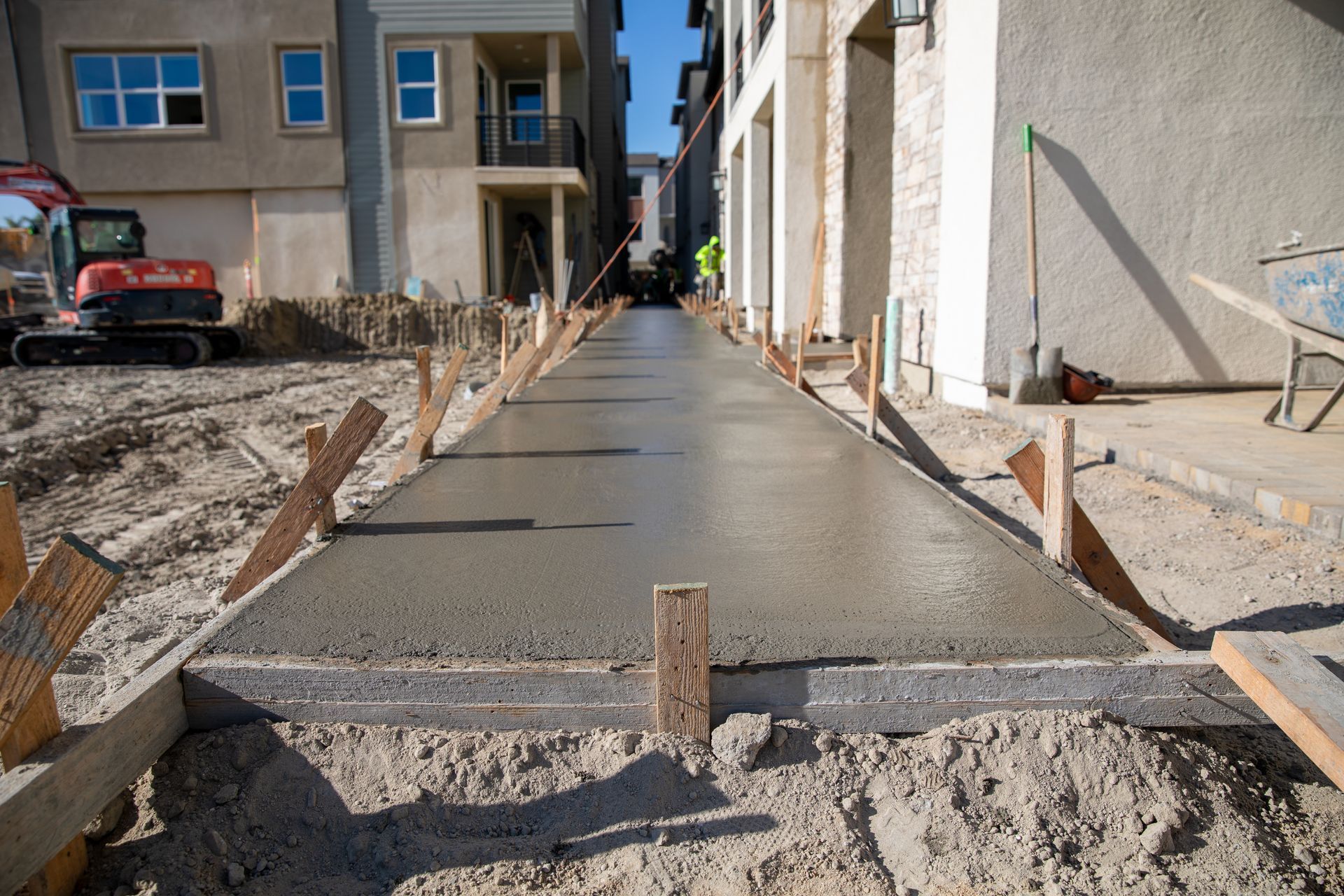
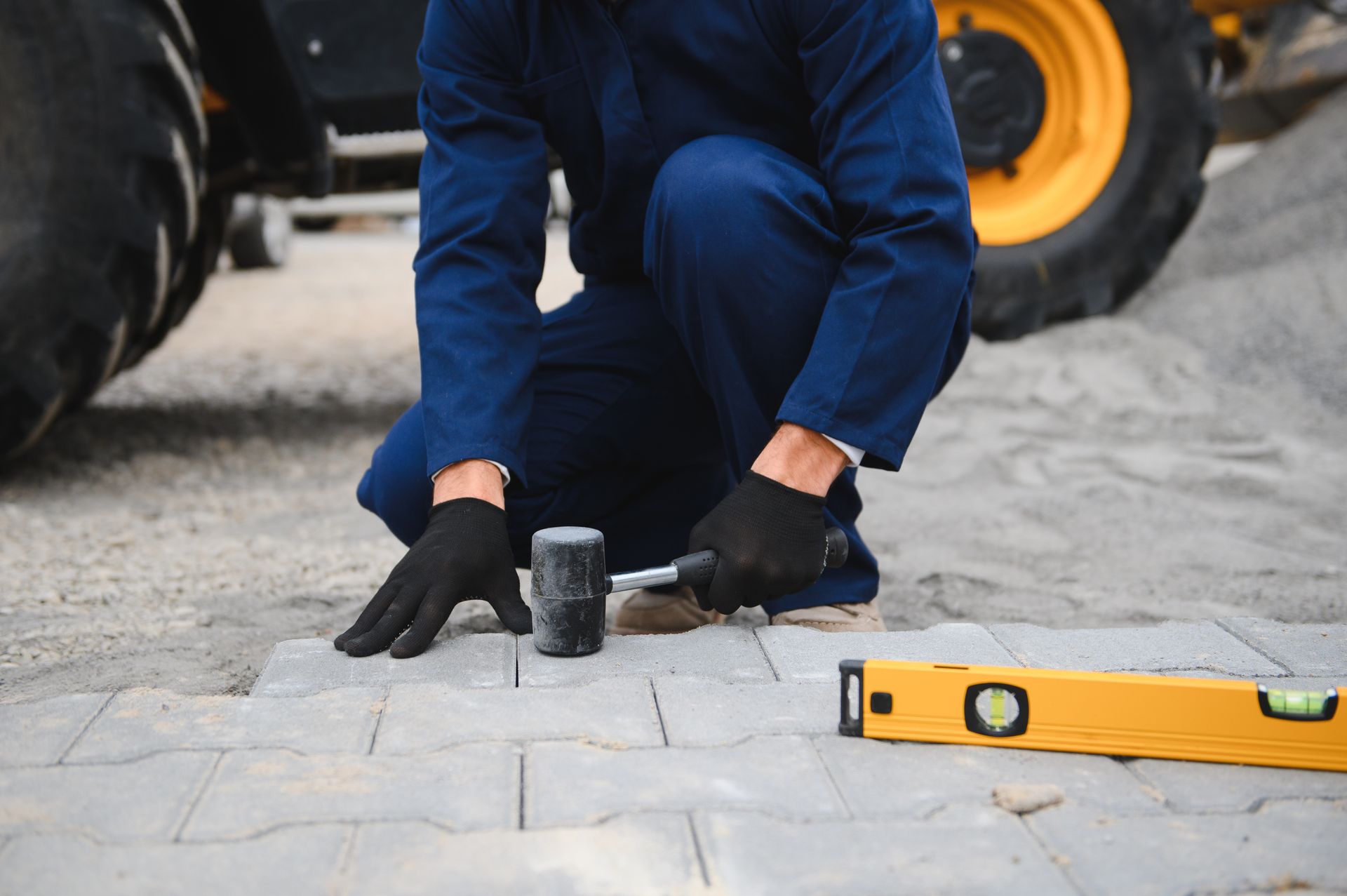
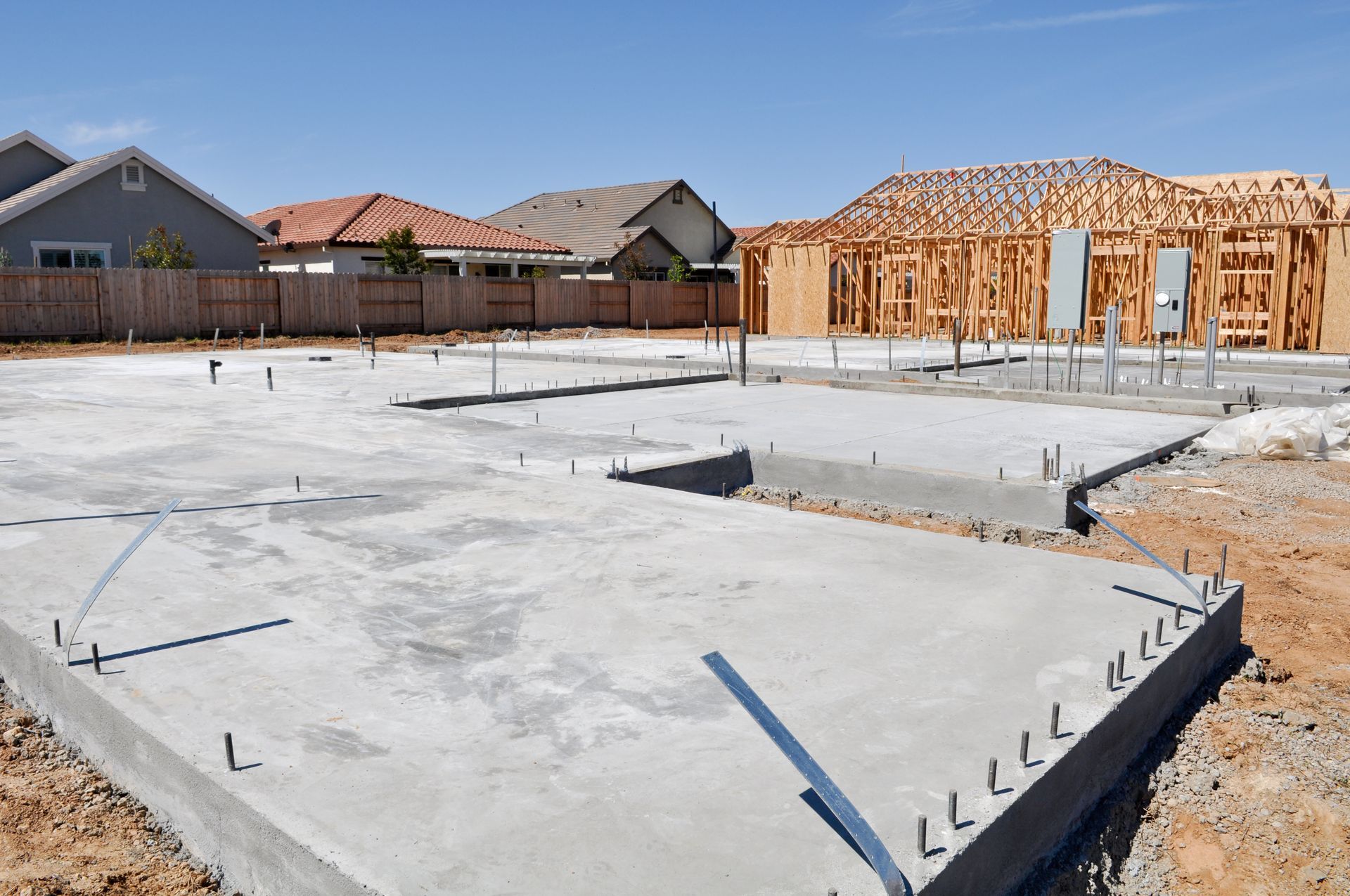
Poor drainage is one of the most common causes of concrete damage, and a wet winter exposes it fast. Forecasts point to El Niño conditions strengthening into winter 2026-27, which could mean a wetter-than-normal season for San Diego County. It isn’t guaranteed, but it’s a good reason to check how water moves around your driveway, patio, walkways, and slabs before the rain arrives. Fixing drainage now costs far less than repairing the damage it causes later.
Why Drainage Matters for Concrete
Concrete is strong, but water works against it indirectly. Rain that pools on or near a slab can soak into the soil underneath, wash soil away, and soften the base that supports the concrete. Many San Diego properties also sit on clay-rich soils that swell when saturated and shrink as they dry, which moves slabs and cracks them over time.
The result isn’t always dramatic. It often shows up as slow settling, widening cracks, and standing water that wasn’t there before.
What a Wet Winter Can Do to Concrete
- Cracking and settling: Shifting soil beneath a slab can crack it or leave one section lower than the next.
- Undermining: Runoff can wash out the base along edges and create voids under the concrete.
- Pooling and slip hazards: Low spots hold water, grow algae, and become slippery.
- Staining and surface wear: Constant moisture can cause discoloration and deterioration.
- Water directed toward structures: Slabs that slope toward a house, garage, or building push water where it doesn’t belong.
- Ponding in commercial lots: Standing water in parking areas creates liability and drainage headaches for property managers.
Warning Signs Your Drainage Needs Attention
Walk your property before the rain and look for:
- Puddles that linger long after rain stops
- Concrete that slopes toward your house, garage, or building
- Soil washed away along the edges of slabs, walkways, or driveways
- New or widening cracks, or sections that have sunk
- Downspouts or sprinklers emptying directly onto concrete
- Green, slick algae on shaded or damp areas
- White, chalky residue or dark stains on the surface
Prep Steps Before the Rain
- Clear drains and channels. Remove leaves and debris from drains, catch basins, and channel drains so water has somewhere to go.
- Redirect downspouts. Extend them so they carry water away from slabs and foundations.
- Check the grade. Soil near the foundation should slope away from the building, not toward it.
- Seal cracks and joints. Filling openings keeps water from reaching the base beneath the slab.
- Fill low spots and eroded edges. Adding soil or base material along edges helps prevent undermining.
- Check retaining walls and weep holes. Make sure water can escape behind walls instead of building pressure.
- Inspect commercial surfaces. Look at parking lot low spots, curb drains, and entryways before the first storm.
Slope Basics: How Concrete Should Drain
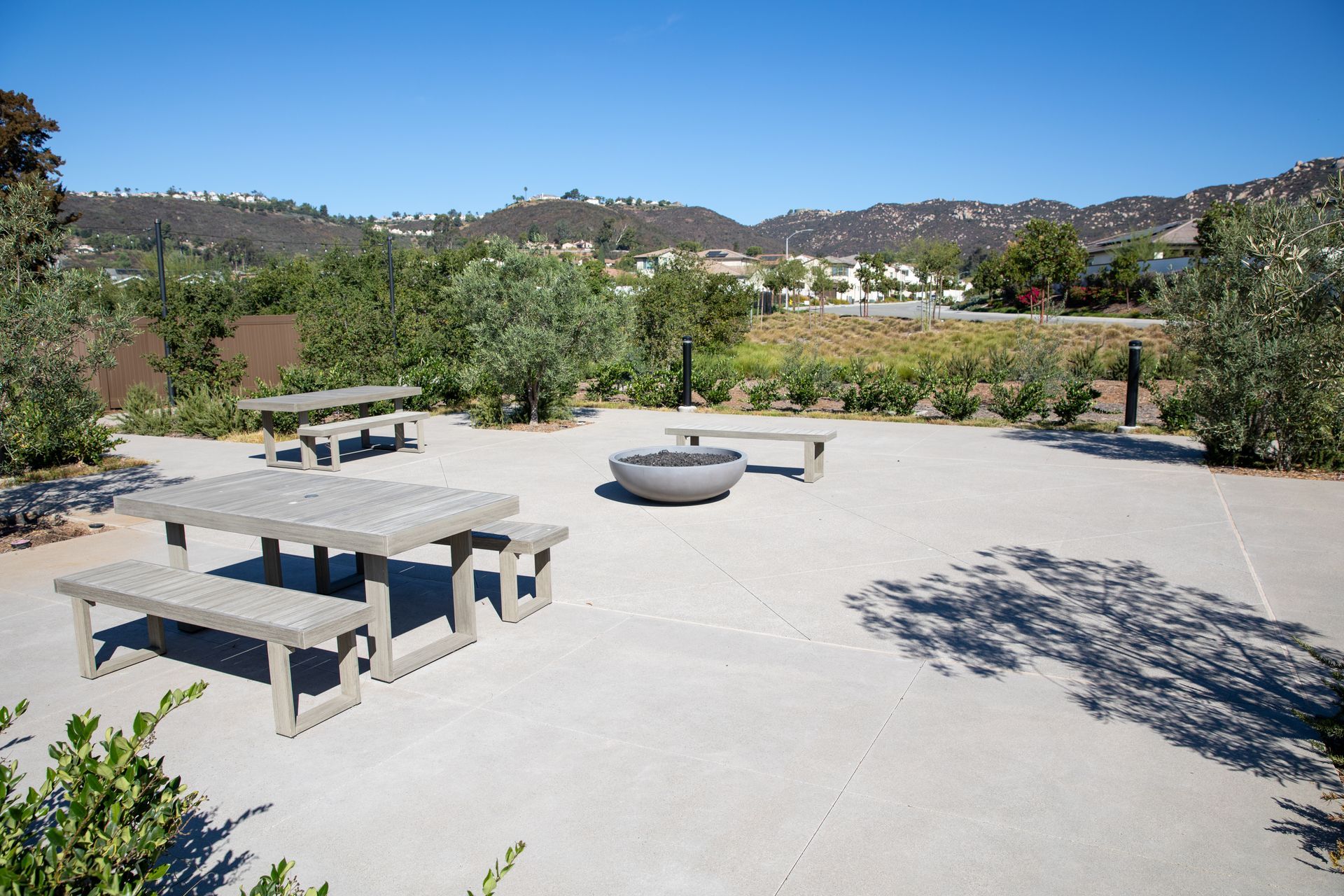
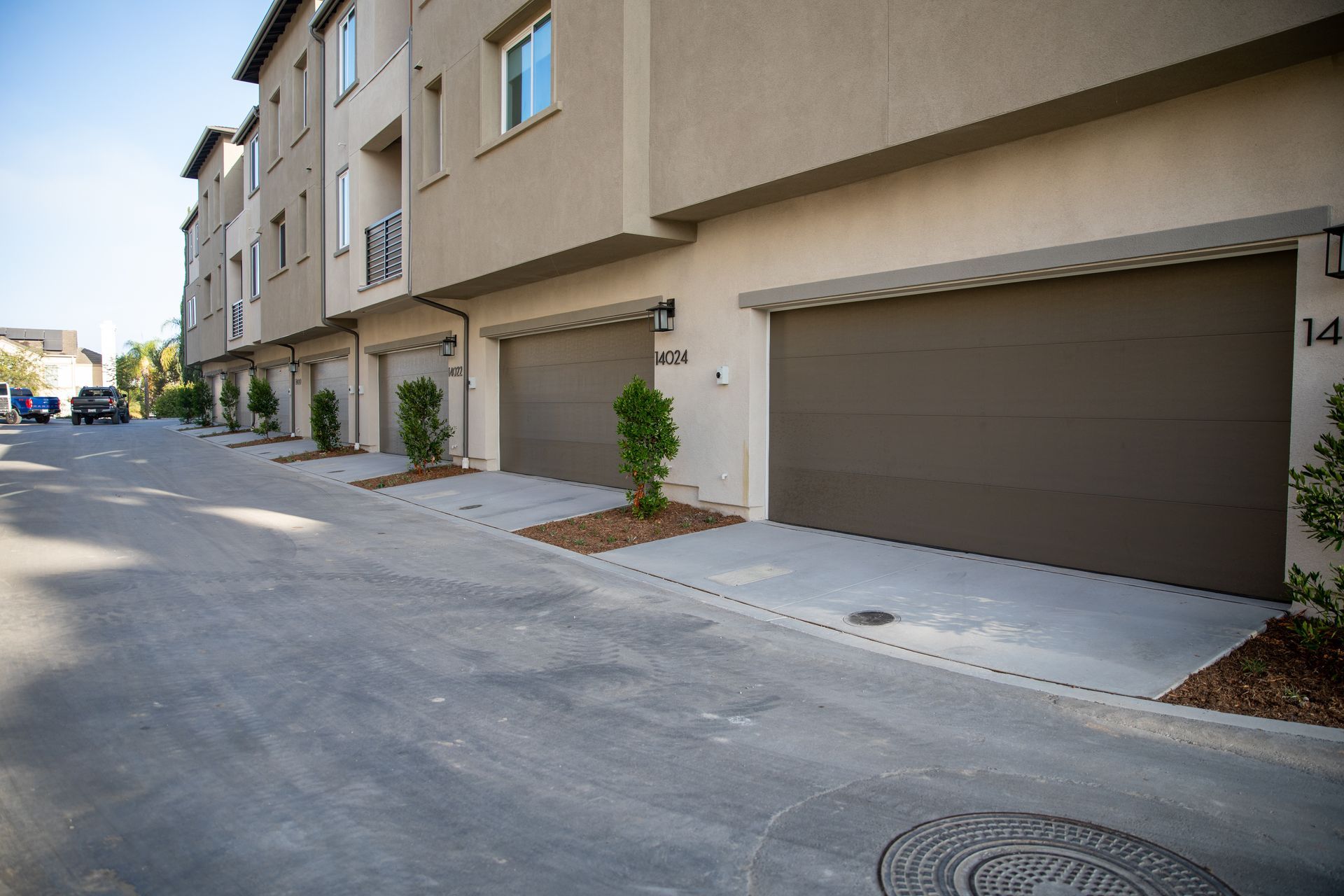
Well-built concrete has a slight, deliberate slope so water runs off instead of sitting. Patios and walkways are often sloped around a quarter inch per foot away from structures, and the ground next to a foundation should fall away from the building. Accessible routes at commercial properties have strict slope limits as well, which we cover in our post on
ADA-compliant concrete sidewalks.
If your concrete is flat, sloped the wrong direction, or has settled, water will find the low spots.
Drainage Solutions for Concrete Projects
Depending on the problem, a contractor may recommend:
- Re-sloping or replacing sections that drain the wrong way or have settled
- Channel or trench drains across driveways and walkways to capture runoff
- Catch basins and drainage lines to move water away from slabs and structures
- Regrading soil around concrete to direct water away
- Base repair and slab stabilization where erosion has created voids
The right solution depends on your site, soil, and how water flows across it. New projects are the easiest time to build drainage in, since slope, base preparation, and layout can all be planned from the start.
Residential vs. Commercial Concerns
Homeowners mostly worry about water reaching foundations, garages, and patios, and about slabs settling or cracking. Commercial property owners and managers also face ponding in parking areas, slip hazards for customers and employees, accessibility compliance, and the liability that comes with all of it. For high-traffic properties, a drainage problem is both a maintenance issue and a risk issue.
When to Call a Concrete Contractor
Bring in a professional if you notice sunken or tilting slabs, water pooling repeatedly in the same spot, voids or washed-out soil under concrete, water entering a garage or structure, or cracks that keep widening. An evaluation before the rainy season gives you time to fix problems on your schedule instead of in the middle of a storm.
Concrete Drainage Help in San Diego County
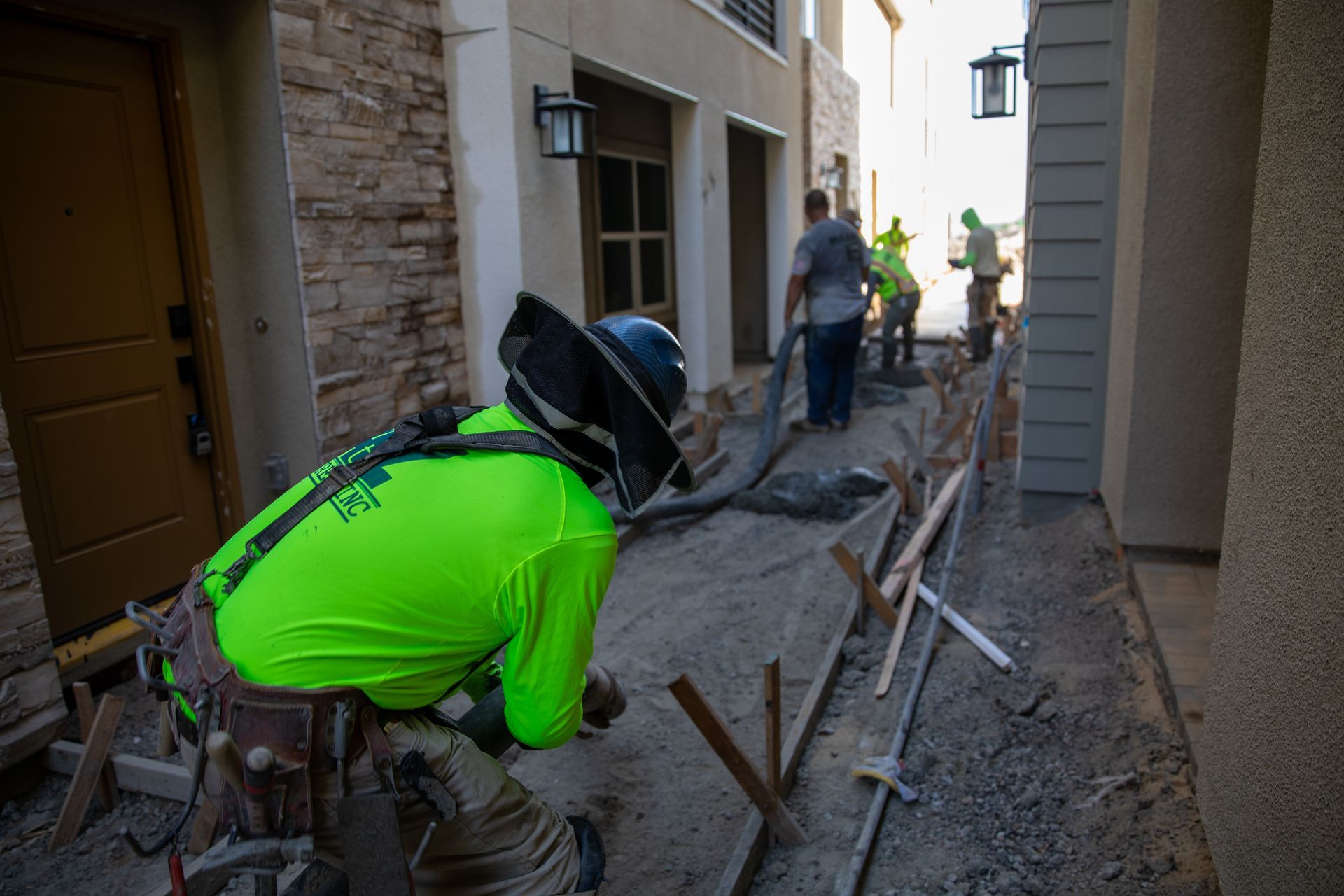
A To Z Concrete is an Escondido-based concrete contractor serving residential and commercial properties across San Diego County, including driveways, patios, walkways, parking lots, and foundation repair, with an eye on how water moves across every project.